Entry · Ref BKWEUBAO
Why Basement Waterproofing Matters in Snowy and Wet Climates
- Posted
- 2026-10-20
- Last amended
- 2026-10-20
- Account
- @fernandoidhc587

A dry basement is easy to take for granted until the first thaw of late winter or a week of hard spring rain turns a faint musty smell into standing water along the wall. In snowy and wet climates, that shift can happen fast. What looked like a solid foundation in January can reveal hairline cracks, seepage lines, and drainage failures by March. Basement Waterproofing is not a cosmetic upgrade in these regions. It is a practical defense against a set of forces that work on a house for months at a time.
Homes in cold, wet areas deal with a particular mix of stress. Snow accumulates, melts slowly or all at once, saturates soil, then refreezes. Heavy rain can arrive before the ground has fully drained from winter. Gutters clog with ice and debris. Downspouts dump water near the foundation because extensions have been knocked loose by snow removal. The result is pressure, a lot of it, pushing water toward the lowest enclosed part of the house.
People often assume water in a basement means a dramatic flood event, but the more common story is quieter. A little dampness after storms. Efflorescence on the concrete. Cardboard boxes that soften at the base. Rust on the bottom track of a furnace or water heater. Paint bubbling on a finished wall. These are the early warnings. Left alone, they become expensive repairs, indoor air quality problems, and in some cases structural damage that could have been avoided.
Snow and rain create a different kind of water problem
Basements in dry climates can go years with minimal moisture pressure. That is not how it works in places with long winters, deep frost, and regular precipitation. Water behaves differently when it cycles through freezing and thawing. Soil expands as it freezes, then loosens as it thaws. Drainage patterns change over a single season. A yard that sheds water well in July may hold it against the foundation in March.
One of the biggest troublemakers is snowmelt. A foot of snow spread across a roof and yard does not look as threatening as a summer cloudburst, but when temperatures climb, all that stored water has to go somewhere. If the ground is still partly frozen, it cannot absorb water efficiently. Instead, meltwater runs across the surface, pools near the house, and seeps down along foundation walls. I have seen basements take on more water during a rapid thaw than during a typical rainstorm, simply because the water had nowhere else to go.
Hydrostatic pressure is the term contractors and engineers use for the force groundwater exerts against basement walls and floors. Homeowners do not need the terminology to understand the effect. When soil around the house becomes saturated, it pushes moisture inward through cracks, porous concrete, joints where the floor meets the wall, and around pipe penetrations. Concrete is durable, but it is not waterproof by itself. Given enough pressure and enough time, water finds a path.
Wet climates add another layer of risk because the soil may remain damp for extended periods. That matters. A short rain event followed by dry weather is one thing. Weeks of precipitation, high groundwater, and poor evaporation are another. Once the surrounding soil stays saturated, a basement can experience chronic moisture rather than occasional leaks. Chronic moisture is what drives mold growth, wood rot, and the gradual deterioration of finishes.
The damage is often broader than homeowners expect
When people hear “waterproofing,” they sometimes picture a single purpose job meant only to stop puddles. In practice, Basement Waterproofing protects several parts of a home at once. The basement itself is obvious, but the effects reach into framing, insulation, HVAC equipment, stored belongings, and the air people breathe upstairs.
Consider what happens in a partially finished basement with minor recurring seepage. Water enters along one wall after storms, wets the bottom plate behind drywall, and raises humidity in the room for days. Nothing looks catastrophic. Yet over one or two seasons, fiberglass insulation slumps, wood moisture levels rise, and mold can begin growing on the paper facing of drywall or on the backside of baseboards. By the time staining appears in the finished space, the real problem has already spread beyond the visible leak.
There is also a financial misconception worth clearing up. Small leaks do not always stay small, and even modest water intrusion can trigger repairs that climb quickly. Replacing flooring, drywall, trim, insulation, and stored items can cost more than many people expect. If a finished basement includes a bathroom, laundry area, or home office, cleanup becomes even more disruptive. The cost of preventative waterproofing often looks high until it is compared with repeated emergency cleanup and reconstruction.
Structural damage is the more serious end of the spectrum. Not every damp basement threatens the foundation, but persistent water pressure can widen cracks and exploit weak points over time. Freeze-thaw cycles can worsen existing openings in masonry and concrete. In older homes, mortar joints and aging drain tile systems may already be compromised. Waterproofing does not solve every structural issue, but it is a key part of protecting the foundation from ongoing moisture stress.
Why cold climates expose weak spots
A house in a snowy region endures seasonal stress that warmer areas rarely see. Frost depth, ice buildup, and spring thaw all influence how water moves around the home. Even well-built houses can become vulnerable when drainage details are neglected.
One common example is the roof edge. Ice dams can force meltwater backward under shingles, where it eventually reaches exterior walls and, in some cases, lower levels of the home. Another is grading. A yard may have settled over time so that the slope toward the house is subtle enough to go unnoticed, yet severe enough to direct runoff to the foundation during every thaw and storm. Add compacted snow piled along the perimeter from shoveling or plowing, and the drainage picture gets worse.
Foundation cracks also behave differently in freezing weather. A tiny crack that seems harmless in summer can admit water during a freeze-thaw cycle, then expand slightly as trapped moisture turns to ice. This is not always dramatic, and that is part of the problem. Homeowners tend to react to obvious flooding, not to gradual seasonal movement. But waterproofing decisions are often best made before the problem announces itself loudly.
Finished basements are especially vulnerable because they hide warning signs. In an unfinished space, a homeowner might notice damp concrete or a wet corner after a storm. In a finished basement, the same leak may stay hidden behind drywall or under vinyl plank flooring until odors develop or materials begin to fail. In cold and wet climates, hidden moisture is one of the biggest risks because it allows damage to continue for months unnoticed.
Waterproofing starts outside, even when the symptoms show inside
Many basement water issues are treated from the interior because that is where the damage appears. Interior systems have an important role, especially when exterior excavation is impractical, but the smartest approach begins by looking at water management outside the home.
The first question is always where the water is coming from. Roof runoff is a frequent culprit. If gutters overflow, if downspouts discharge too close to the house, or if underground leaders are clogged, the foundation receives far more water than it should. Surface grading comes next. Soil should slope away from the foundation, and hard surfaces such as patios or walkways should not trap water against the house. Window wells, often overlooked, need drainage and covers in many climates because drifting snow and runoff collect there easily.
Exterior waterproofing usually refers to excavating around the foundation, applying a membrane or coating to the wall, installing drainage board, and ensuring footing drains can carry water away. It is disruptive and more expensive than interior measures, but when a basement has significant seepage due to exterior pressure, it is often the most complete solution. In my experience, homeowners are happiest when they understand that exterior work addresses the source, not just the symptom.
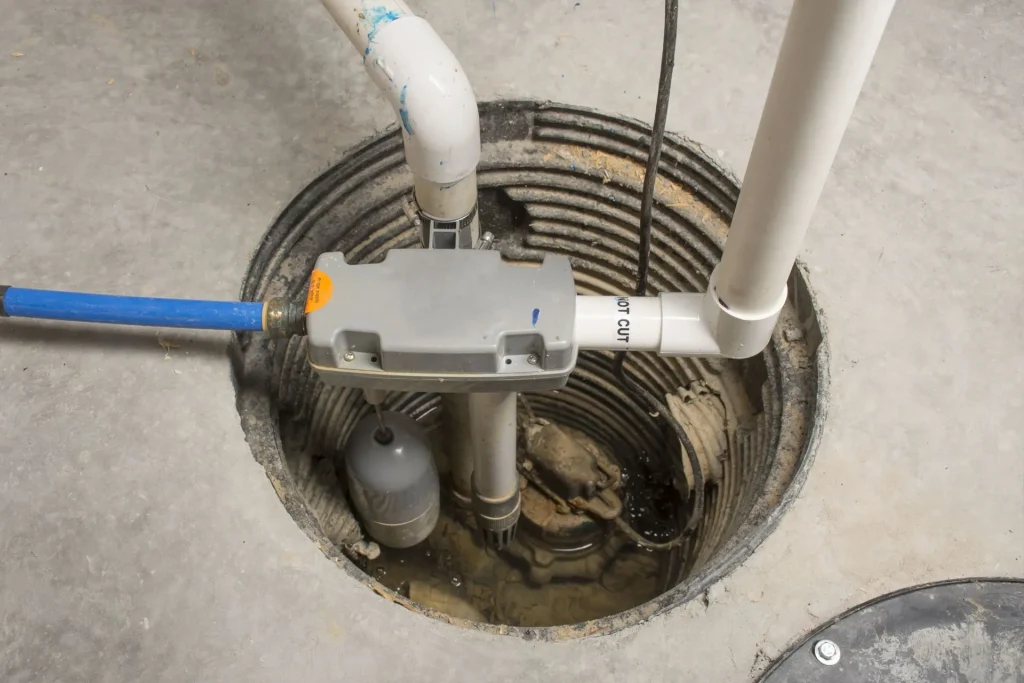
Interior waterproofing has its place. A properly designed interior drainage system with a sump pump can relieve pressure under the slab and intercept water before it reaches finished spaces. In houses where exterior excavation would disturb mature landscaping, decks, porches, or neighboring structures, interior systems can be a practical answer. The mistake is assuming a can of waterproof paint on the inside wall does the same job. It does not. Coatings may help in limited situations, but they are not a substitute for real drainage control.
The hidden cost is often air quality
The basement does not exist in isolation. Air moves upward through a house, carrying moisture and odors with it. A damp basement can affect the entire home, even if no one spends much time downstairs.
This becomes obvious in late winter and spring. Outdoor temperatures rise, humidity changes, and the basement starts to smell earthy or stale. That odor is usually a sign of moisture, not just age. Mold does not need visible standing water to thrive. It needs organic material, moderate temperatures, and enough moisture. Framing lumber, stored paper goods, carpet backing, and dust provide plenty of food.
Families with allergies or asthma often notice the effects before they identify the source. Increased symptoms, persistent odors, or a dehumidifier that runs constantly can all point toward a basement moisture issue. Waterproofing is therefore not only about preserving concrete and drywall. It is also about creating a healthier indoor environment.
Even unfinished basements can contribute to poor air quality if they remain damp. Exposed joists absorb moisture. Metal components rust. Insulation can trap dampness against surfaces. Once that cycle sets in, the basement feels cold and clammy for much of the year, and the house above it becomes harder to keep comfortable.
Sump pumps, drains, and backup systems matter more than people think
In snowy and wet climates, a sump pump is often the last line of defense between water under the slab and water on the floor. It is also one of the most misunderstood pieces of equipment in the house. Many people know whether they have one, but not whether it is sized correctly, how old it is, or what happens if the power fails during a storm.
That last point deserves attention. Some of the worst basement flooding happens when weather knocks out electricity at the exact moment the pump is needed most. A battery backup or water-powered backup system can make the difference between a close call and a major cleanup. This is not theoretical. During heavy spring storms, it is common for groundwater to rise while utility interruptions occur. The homes that fare best are usually the ones with redundancy built into the system.
Footing drains and interior perimeter drains also need occasional evaluation. In older homes, drain tile may be partially blocked by silt, roots, or crushed sections. Homeowners often focus on visible cracks, but a failing drainage system underground can be the reason those cracks are leaking in the first place.
A few practical checks catch a surprising number of problems:
- Test the sump pump before the wet season by pouring water into the pit and confirming it activates and discharges properly.
- Make sure downspouts extend far enough from the house, often at least 6 to 10 feet depending on the site.
- Walk the exterior during rain or snowmelt to see where water actually flows, not where you assume it goes.
- Inspect basement walls and floor edges for fresh staining, efflorescence, or damp spots after storms.
- Keep a hygrometer in the basement and watch for sustained humidity above roughly 60 percent.
Those steps do not replace professional diagnosis, but they help homeowners spot issues before they become urgent.
Not every crack is a crisis, but every crack deserves context
A lot of anxiety around basements begins with a crack in the wall or floor. Some cracks are cosmetic shrinkage cracks in concrete. Others signal movement or water pathways that need attention. The challenge is that the crack itself tells only part of the story.
Vertical hairline cracks in poured concrete foundations are common. They may leak under pressure, especially in wet seasons, but they are not automatically structural emergencies. Horizontal cracks, step cracks in masonry, bowing walls, or cracks accompanied by displacement deserve a closer look because they can indicate lateral soil pressure or foundation movement. The presence of moisture changes the urgency. A https://charliejazh396.timeforchangecounselling.com/basement-waterproofing-101-how-to-keep-your-lower-level-dry-year-round stable crack that stays dry is different from a similar crack that seeps every spring.
This is where experienced judgment matters. Waterproofing contractors, foundation specialists, and in some cases structural engineers each look at the problem through a different lens. Homeowners benefit when the diagnosis separates water control from structural repair, because the right fix may involve one, the other, or both. Sealing a leaking crack from the inside can work well in the right situation. It is not enough if the wall is also under significant pressure from saturated soil outside.
The best time to waterproof is before finishing the basement
People often invest in flooring, drywall, lighting, and furniture before giving much thought to water management below grade. That order is understandable. A finished basement adds living space and can increase a home’s usefulness immediately. But in wet and snowy climates, finishing first and waterproofing later is a gamble.
Once the basement is finished, inspection becomes harder, repairs become messier, and costs rise. A hidden leak can spread behind newly installed walls. Flooring traps moisture. Built-ins and stored belongings complicate access. By contrast, evaluating drainage, sealing known cracks, installing appropriate waterproofing, and controlling humidity before construction begins sets the space up for long-term success.
I have seen finished basements hold up beautifully for years in challenging climates, but the successful projects usually shared the same foundation, no pun intended. The owners treated moisture control as part of the renovation budget, not as an afterthought. They asked how the sump system would perform in a power outage. They checked exterior grading. They selected materials that tolerate some humidity rather than assuming the space would behave like an upper floor.
Waterproofing is not one product, it is a system
This is where homeowners can get tripped up by marketing. There is no single universal Basement Waterproofing product that solves every problem. A dry basement usually results from several layers of defense working together. Roof drainage, grading, exterior membrane, footing drains, crack repair, interior collection systems, sump discharge, humidity control, and sensible material choices all play a part.
That system mindset matters because weak links undermine strong components. A high-quality interior drainage channel cannot fully compensate for a downspout that dumps roof water next to the foundation every storm. A premium exterior membrane can still be overwhelmed if the discharge point freezes or clogs. Good results come from matching the solution to the conditions of the site.
Here, trade-offs are unavoidable. Exterior excavation is comprehensive but costly and disruptive. Interior systems are often less invasive but do not stop water from reaching the outside of the wall. Crack injection can be very effective for isolated seepage, but it may not address broad hydrostatic pressure. A dehumidifier improves comfort and air quality, yet it does not solve water entry. The right combination depends on the age of the house, the foundation type, site grading, groundwater conditions, and whether the basement is used for storage, mechanicals, or living space.
When to call for professional help
Some moisture issues are straightforward. A downspout extension fell off, or a window well filled with snow and overflowed. Others are more complex and deserve an experienced eye. If water appears repeatedly, if you notice movement in foundation walls, or if moisture returns despite basic fixes, a professional assessment is worth the cost.
A good evaluation should connect symptoms to causes. It should explain whether the main issue is surface runoff, groundwater pressure, foundation cracking, poor drainage, or a combination. It should also distinguish between immediate protective measures and long-term solutions. Homeowners should be wary of one-size-fits-all recommendations delivered without a careful inspection of both the interior and exterior.
These signs usually justify a closer look:
- Water entering at the wall-floor joint after storms or snowmelt
- Repeated sump pump cycling even in modest wet weather
- White mineral deposits, peeling paint, or persistent damp patches on concrete
- Musty odors that return despite cleaning and dehumidifying
- Horizontal cracks, bowing walls, or doors and windows above that begin sticking
In cold and wet climates, waiting for visible flooding is the wrong threshold. By the time water is pooling across the floor, the house has often been signaling distress for a while.
A dry basement protects more than storage space
For many households, the basement holds far more than holiday decorations and old paint cans. It may contain the furnace, electrical panel, laundry area, workshop, pantry, home gym, or an extra bedroom. In some homes, it is the only practical place for mechanical systems and major storage. Protecting that space means protecting essential functions of the house.
There is also the question of resilience. Weather patterns have become less predictable in many regions, with sudden thaws, heavier rain events, and longer wet periods showing up in places that used to have more stable seasonal cycles. Homeowners in snowy areas know that one odd winter can expose vulnerabilities that never appeared before. Waterproofing is part of adapting a house to the conditions it actually faces, not the conditions it was originally designed for decades ago.
A well-executed waterproofing plan does not make a home invincible, but it shifts the odds decisively in your favor. It lowers the chance of emergency cleanup, extends the life of finishes and mechanical systems, supports healthier indoor air, and preserves the value of the property. In regions where snow and rain are routine, that is not overbuilding. It is basic stewardship.
Basement water problems tend to reward action and punish delay. The house almost always gives hints before the damage becomes severe. A little staining, a little odor, a little seepage after a thaw. Those small signals are worth respecting. In snowy and wet climates, Basement Waterproofing matters because water is persistent, seasonal stress is real, and the lowest part of the home is often where neglected details finally show up. A dry basement rarely happens by accident. It is usually the result of paying attention early, choosing the right strategy, and treating moisture control as a core part of home maintenance rather than an optional upgrade.
ARD Waterproofing
98 Smull Ave, West Caldwell, NJ 07006, United States
+1 917-691-8411
FAQ About Basement Waterproofing
Can you 100% Waterproof a Basement in West Caldwell?
A properly designed system can substantially reduce basement water intrusion, but no method can promise protection against every flood, equipment failure, or future change in site conditions. The first step is identifying whether moisture comes from surface runoff, groundwater, plumbing, or condensation. Solutions may include grading and gutter improvements, drainage, foundation repairs, and a sump system. Review the specific coverage and exclusions of any written warranty.
How much does it cost to professionally waterproof a basement in NJ?
There is no single price that fits every basement. Cost depends on the cause of the leak, the area needing work, access, excavation requirements, drainage design, sump equipment, and restoration of disturbed finishes or landscaping. Request an on-site assessment and an itemized written estimate that explains the scope, exclusions, and maintenance requirements before comparing proposals.
How long does foundation waterproofing last in West Caldwell, NJ?
Service life varies with the waterproofing materials, installation quality, soil and water conditions, and maintenance. Drainage components and pumps may require servicing or replacement even when other parts of the system remain functional. Keep gutters, drainage outlets, and sump equipment maintained, and have recurring leaks or changes in foundation condition assessed. Ask for product-specific expectations and written warranty terms rather than relying on one lifespan for the entire system.